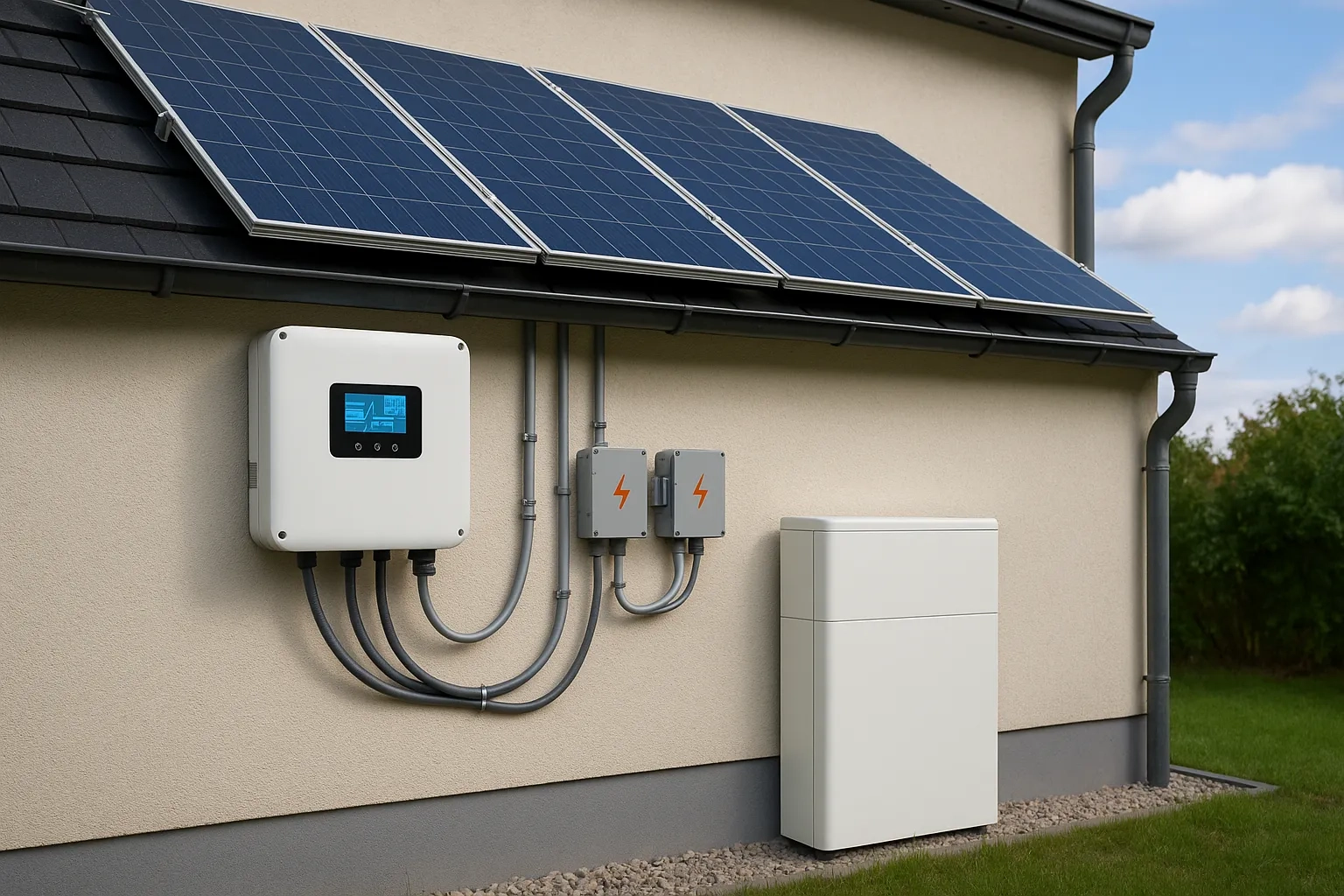
The Albanese Government has dramatically expanded its flagship Cheaper Home Batteries program, boosting the total investment to about $7.2 billion — nearly triple its original $2.3 billion allocation — as Australians snap up subsidies for home energy storage.
Chris Bowen, Federal Minister of Energy and Climate Change confirmed the extra funding at a press briefing on Saturday, saying the scheme’s popularity had far exceeded expectations, with most of the original budget likely to be spent within a year of launch.
Since the program began in July 2025, more than 160,000 households have installed batteries under the scheme — well ahead of initial forecasts — delivering gigawatt hours of rooftop storage and reducing pressure on the national grid.
“We’re managing a program of outstanding success,” Bowen told reporters. “Australians are benefiting from significant cost savings, cutting their bills and building resilience into their homes.”
Under the initiative, households can access upfront discounts of around 30 per cent off battery costs when they install batteries alongside solar savings of hundreds or even thousands of dollars a year off power bills.
Bowen highlighted that average homeowners with solar and a battery could see their electricity bills reduced by up to 90 per cent, with combined solar and battery systems potentially saving around $2,000 annually.
The Government has also introduced tiered rebates so that smaller batteries remain heavily subsidised, while discounts for larger systems taper over time, helping extend the lifespan of the funding and encourage “right-sized” uptake.
Energy analysts say the rapid growth in home battery installations is helping households cut energy costs and could also put downward pressure on wholesale electricity prices by reducing peak demand, delivering benefits across the wider market.
The expanded funding is designed to support the installation of more than two million batteries by 2030, up from the original government target of one million. This would provide about 40 gigawatt-hours of storage capacity across the country.
Industry groups have largely welcomed the increase in funding, although concerns are beginning to emerge around capacity limits and the availability of installers as demand continues to rise. he software updates will be delivered progressively , with revised rebate settings taking effect from mid-next year to ensure the scheme remains sustainable and can continue supporting households over the full forward estimates.