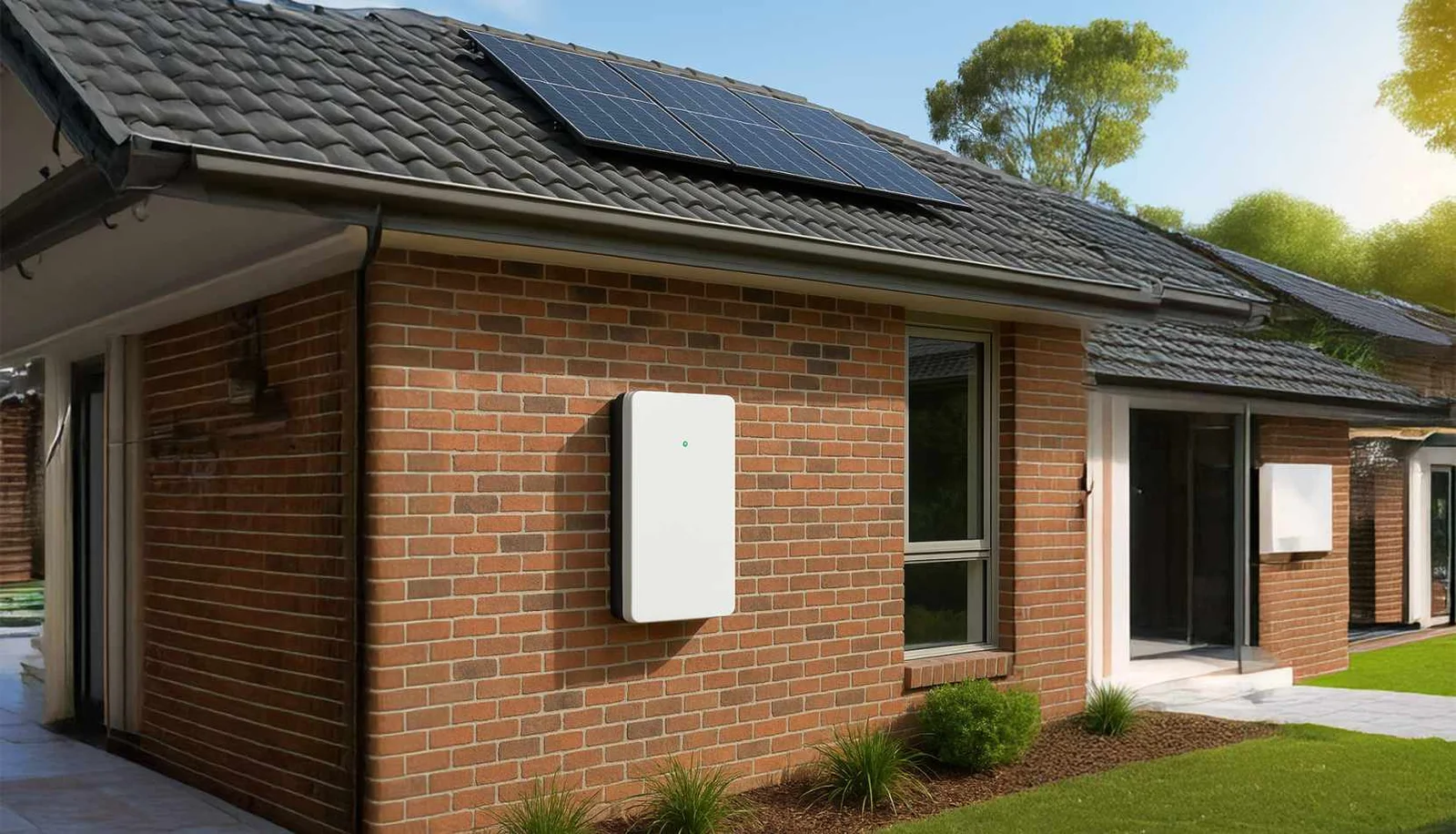
The Cheaper Home Batteries program marking a major milestone since its launch in July 2025, recently recording 254,800 installations.
This represents 6.4 gigawatt hours (GWh) of storage capacity added—more than doubling the 6 GWh fleet that Australia had before the scheme began.
“Ten years to build the first six gigawatt hours, eight months to build the second six gigawatt hours,” Federal Minister for Climate Change and Energy Chris Bowen said.
About half of households installing subsidised batteries have paired them with a new or upgraded solar system.
“Cheaper Home Batteries are helping Australians get more value from their solar, cut power bills, and use more of the energy they generate themselves,” Bowen said.
“Every battery installed helps, not just for the household or small business using it, but for the grid more broadly. It means less pressure at peak times, more reliability, and a cleaner, more affordable energy system.”
The Clean Energy Council (CEC) noted that while rooftop solar alone can save households up to $1500 a year, “this almost doubles when you add a battery”.
“Australian consumers and small businesses are delivering the transition at breathtaking speed, turning suburban roofs into one of the biggest power stations in the country,” CEC general manager – distributed energy Con Hristodoulidis said.
“Just as Australians have long understood the value of solar in lowering household energy bills, we are now seeing a surge in battery adoption, which allows households to store their own clean energy and maximise savings.”
Households achieve the greatest cost reductions when they shift consumption to stored energy during peak demand periods, such as mornings and evenings.
The CEC is calling for government incentives—including the Cheaper Home Batteries program and Western Australia’s Residential Home Battery Scheme—to be broadened to support renters and social housing residents.
“Nearly a third of all Australian households are renters,” Hristodoulidis said. “To make sure everyone benefits, governments can further expand schemes to incentivise landlords and support social housing tenants, so all Australians can lower their bills.”